Why Consistent Fillet Knife Sharpening Defines Cutting Excellence
Fillet knives are designed for accuracy, flexibility, and smooth motion, making sharpness a defining factor in their performance. A well-maintained edge allows the blade to glide effortlessly through fish and delicate proteins without tearing or resistance. When sharpness declines, control is reduced, preparation becomes slower, and safety risks increase due to excess force. Consistent sharpening ensures predictable results and protects the thin blade structure unique to fillet knives. Understanding how sharpening affects performance helps users appreciate why proper tools and methods matter. Maintaining a sharp fillet knife is not only about convenience but also about achieving professional-quality results in everyday food preparation.
The Unique Blade Geometry of Fillet Knives
Fillet knives differ significantly from standard kitchen knives due to their narrow, flexible blades and fine edges. This geometry allows the knife to follow natural contours, especially when separating flesh from skin or bone. However, the same design makes the blade more sensitive to improper sharpening techniques. Maintaining the correct edge profile preserves flexibility while ensuring clean cuts. Specialized sharpening approaches help retain the knife’s original geometry. By respecting blade design, users can extend the lifespan of their fillet knives and maintain optimal cutting performance without compromising structural integrity.
How Sharpness Impacts Precision and Safety
Sharp blades are often safer than dull ones because they require less force to cut. With fillet knives, sharpness directly affects control and accuracy during delicate tasks. A dull blade may slip or tear flesh, increasing the risk of injury. Proper sharpening restores the blade’s ability to cut cleanly with minimal pressure. This enhances safety while improving efficiency. Precision cutting reduces waste and preserves presentation quality. Understanding the relationship between sharpness and safety reinforces the importance of regular maintenance using appropriate sharpening tools.
Common Causes of Fillet Knife Dullness
Fillet knives lose sharpness due to repeated use, contact with hard surfaces, and improper storage. Cutting on glass or stone boards accelerates edge wear, while improper cleaning can lead to corrosion. Even normal slicing gradually degrades the fine edge. Recognizing these causes helps users adopt preventive habits. Using suitable cutting boards, proper storage, and regular honing minimizes dulling. Awareness of these factors ensures sharpening efforts are effective and less frequent, preserving blade quality over time.
Manual Sharpeners Versus Electric Options
Manual sharpeners offer tactile control, allowing users to adjust pressure and angle with precision. They are compact, affordable, and suitable for gradual sharpening. Electric sharpeners prioritize convenience and speed, often featuring preset angles and multi-stage systems. Each option has advantages depending on skill level and usage frequency. Manual sharpeners appeal to those who value hands-on involvement, while electric models suit busy kitchens. Understanding these differences helps users select tools aligned with their preferences and maintenance routines.
The Role of Sharpening Angle in Performance
Sharpening angle determines edge sharpness and durability. Fillet knives typically require lower angles to maintain thin, razor-like edges. Incorrect angles can weaken the blade or reduce cutting efficiency. Sharpeners designed to guide angle consistency help users achieve reliable results. Maintaining the proper angle ensures smooth slicing and prolonged sharpness. Awareness of angle importance allows users to sharpen confidently without compromising blade integrity.
Sharpening Stones and Skill Development
Sharpening stones provide unmatched control and precision for experienced users. They allow gradual metal removal and refined edge shaping through varying grit levels. Learning to use stones develops skill and understanding of blade behavior. Although stones require practice, they reward users with exceptional sharpness and control. This traditional method remains favored by professionals who value craftsmanship. Skill development transforms sharpening into a valuable culinary technique rather than a routine chore.
Honing as Part of Regular Maintenance
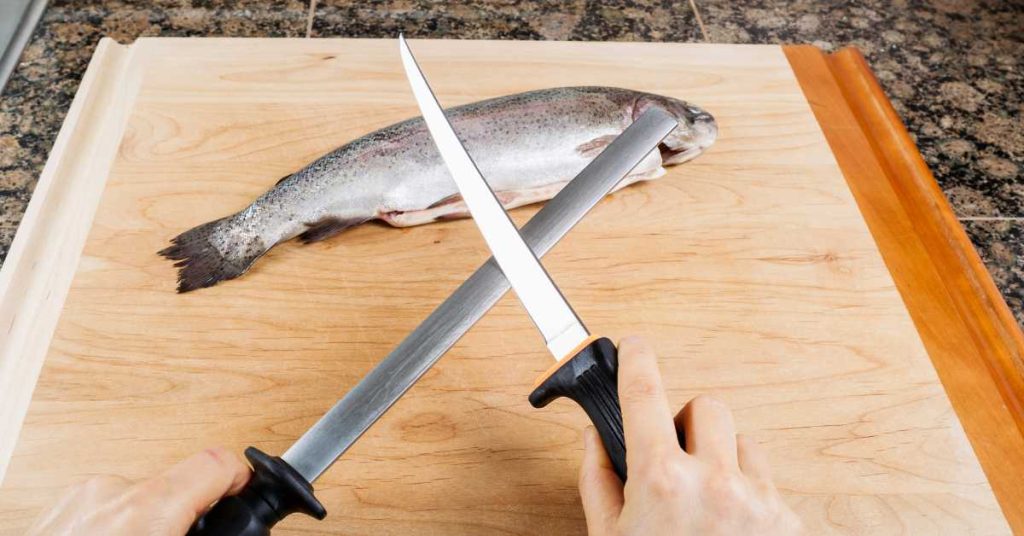
Honing realigns the blade edge without removing material, preserving sharpness between sharpening sessions. Fillet knives benefit greatly from frequent honing due to their delicate edges. Using a honing rod maintains alignment and delays the need for sharpening. Understanding the difference between honing and sharpening prevents unnecessary wear. Incorporating honing into regular maintenance routines ensures consistent performance and reduces long-term blade degradation.
Materials Used in Sharpening Tools
Sharpening tools utilize abrasives such as ceramic, diamond, and carbide. Diamond abrasives offer fast results for very dull blades, while ceramic materials refine and polish edges gently. Carbide abrasives provide aggressive sharpening but require careful handling. Selecting the appropriate material affects sharpening speed and edge quality. Matching abrasive type to blade condition ensures effective sharpening without excessive metal removal.
Safety Practices During Sharpening
Sharpening fillet knives requires careful handling due to blade flexibility. Stable surfaces, secure grips, and controlled movements reduce injury risk. Non-slip bases and protective gloves enhance safety, especially for beginners. Following manufacturer instructions for electric sharpeners prevents accidents. Prioritizing safety allows users to focus on achieving optimal sharpness without unnecessary hazards.
Avoiding Common Sharpening Errors
Excessive pressure, inconsistent angles, and skipping grit stages are common mistakes that damage blades. Over-sharpening shortens knife lifespan, while uneven edges affect performance. Awareness of these errors helps users refine technique and achieve better results. Patience and proper tool selection are key to avoiding mistakes and preserving blade quality.
Storage and Care Between Sessions
Proper storage protects fillet knife edges from damage. Knife sheaths, magnetic strips, and dedicated blocks prevent contact with hard surfaces. Immediate cleaning and drying reduce corrosion risks. These habits extend sharpness and reduce sharpening frequency. Consistent care ensures knives remain reliable tools for precise cutting tasks.
Evaluating Sharpener Quality
High-quality sharpeners feature durable materials, stable designs, and ergonomic handling. Guided angle systems improve consistency, especially for beginners. User feedback and expert reviews provide insight into performance and reliability. Investing in quality sharpeners protects valuable knives and ensures consistent results over time.
Professional Perspectives on Sharpening
Professionals prioritize sharpness to maintain efficiency and presentation standards. Reliable sharpening tools support workflow demands and reduce fatigue. Their practices highlight the importance of matching tools to blade type. Adopting professional approaches enhances home cooking experiences and improves overall results.
Environmental Benefits of Proper Maintenance
Maintaining knives reduces waste by extending blade lifespan. Fewer replacements lower environmental impact and manufacturing demand. Durable sharpeners minimize disposable tool usage. Responsible maintenance aligns with sustainable kitchen practices, benefiting both users and the environment.
Skill Growth Through Consistent Practice
Sharpening proficiency improves with experience. Developing sensitivity to pressure and angle leads to better results. Learning from instructional resources accelerates progress. Skill growth transforms sharpening into a rewarding aspect of culinary mastery.
Cost Versus Long-Term Value
Affordable sharpeners can perform effectively when used correctly, while premium models offer convenience and durability. Evaluating features and longevity helps determine value. Selecting tools that match usage needs ensures satisfaction and long-term savings.
Choosing the Right Sharpener for Personal Needs
Experience level, frequency of use, and personal preference influence sharpener choice. Beginners may prefer guided systems, while experienced users value flexibility. Selecting appropriate tools supports consistent performance and confidence in maintenance routines.
Edge Retention and Performance Expectations
Edge retention depends on blade material, sharpening quality, and usage habits. Proper techniques enhance sharpness longevity. Understanding retention helps users plan maintenance schedules and manage expectations effectively.
Integrating Sharpening Into Daily Routine
Regular sharpening and honing routines simplify maintenance. Accessible tools encourage consistent use. Treating sharpening as routine care improves efficiency and reduces frustration.
Learning From Trusted Culinary Resources
Educational materials from reputable culinary sources explain sharpening principles and blade care. Expert guidance reinforces proper habits and prevents common mistakes. Learning from trusted references supports long-term knife performance.
Modern Innovations in Sharpening Technology
Advancements include improved abrasives, precision guides, and hybrid designs. These innovations enhance consistency and convenience. Staying informed helps users select tools that meet evolving needs.
Final Perspective on Fillet Knife Sharpening
Proper sharpening defines the performance, safety, and longevity of fillet knives. Understanding blade characteristics and maintenance techniques empowers users to achieve consistent results. Many cooks explore curated comparisons like Best Fillet Knife Sharpeners to identify reliable tools and features. With the right approach, fillet knives remain sharp, efficient, and enjoyable tools for precision cutting over the long term.