How the Right Working Table Transforms Your Workspace Efficiency
A working table is the foundation of any productive workspace. Whether in a corporate office, home office, or shared workstation, the table you work on directly affects posture, organization, and mental clarity. A well-designed working table provides the right balance between space, structure, and comfort, enabling professionals to perform daily tasks efficiently without unnecessary distractions.
Choosing the right working table is not only about appearance but also about functionality and ergonomics. The table becomes the center of activity where planning, computing, writing, and organizing all take place. With modern work demands increasing, selecting a table that supports workflow and comfort is essential for maintaining productivity throughout the day.
The Importance of a Working Table in Everyday Work Life
The working table is where most professional tasks are performed. From handling documents to using computers and conducting online meetings, this single piece of furniture supports multiple activities simultaneously. A poorly designed table can lead to clutter, discomfort, and reduced efficiency.
A properly structured working table offers enough surface space for tools and documents while maintaining an organized layout. It allows workers to keep everything within reach without feeling overwhelmed by disorganization.
How Workspace Structure Affects Performance
An organized table setup contributes to better focus and faster task completion. Benefits include:
- Clear separation of tools and documents
- Reduced time searching for essentials
- Comfortable arm and leg positioning
- Improved mental clarity due to less clutter
- Easier management of cables and devices
These factors collectively enhance daily work performance.
Design Characteristics of an Efficient Working Table
Modern working tables are designed to support both aesthetics and usability. The design must match the nature of work while fitting seamlessly into the office environment.
Key Design Features to Consider
| Feature | Purpose | Benefit |
|---|---|---|
| Wide Surface | Multitasking | Space for devices and documents |
| Drawer Units | Storage | Organized stationery and files |
| Cable Ports | Wire management | Clean and safe workspace |
| Smooth Finish | Comfort | Easy writing and device use |
| Strong Frame | Stability | Long-term durability |
These features make the table practical for continuous professional use.
Selecting the Right Size Based on Workspace
The dimensions of the working table should match the available room space. Oversized tables in small rooms create congestion, while small tables in large spaces feel inadequate.
Practical Size Selection Tips
- Measure room width before buying
- Ensure sufficient legroom and movement space
- Leave room for chairs and side storage
- Align table size with nature of work tasks
Proper sizing ensures balance between comfort and usability.
Materials That Influence Durability and Appearance
Material choice determines how long the working table lasts and how it contributes to office aesthetics.
Common Material Options
- Engineered wood for modern workspaces
- Solid wood for traditional setups
- Laminated surfaces for easy maintenance
- Matte finishes to reduce glare
Choosing quality materials ensures the table withstands daily usage while maintaining its look.
Ergonomics and Comfort for Long Hours
Many professionals spend extended hours at their working tables. Ergonomic design reduces fatigue and improves posture during long working sessions.
Ergonomic Elements to Look For
- Correct table height for arm positioning
- Adequate leg clearance
- Rounded edges for comfort
- Smooth surface for wrist support
These elements help maintain physical comfort and productivity.
Organizing Your Working Table for Maximum Efficiency
A well-organized table reduces distractions and supports faster workflow.
Effective Organization Methods
- Keep frequently used items within reach
- Use drawers for small tools and stationery
- Maintain a clear center workspace
- Arrange devices neatly with cable organizers
Systematic organization ensures smooth daily operations.
Placement and Lighting Considerations
Where the working table is placed in the room impacts comfort and focus.
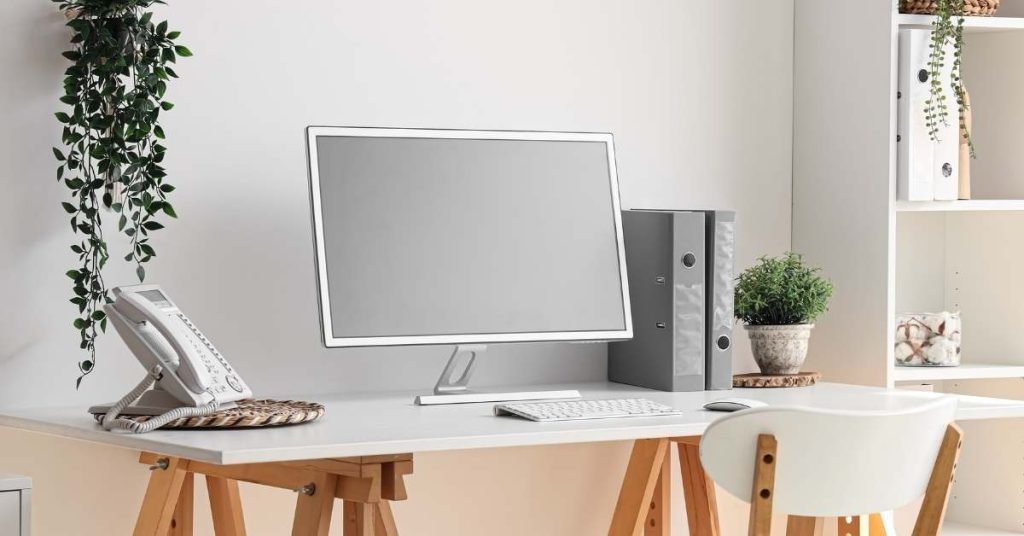
Ideal Placement Tips
- Near natural light sources
- Avoid facing direct glare
- Position against a wall for stability
- Ensure background suitability for video meetings
Proper placement enhances the working experience.
Working Tables for Different Work Environments
Different professions require different table styles and features.
Matching Table Types to Work Needs
- Corporate offices: Tables with storage and cable ports
- Creative workspaces: Wide surfaces for tools and materials
- Home offices: Compact multifunctional tables
- Shared offices: Durable and simple designs
Selecting based on work type improves functionality.
Maintaining Your Working Table for Long-Term Use
A working table is a daily-use item and requires regular care to remain in good condition.
Maintenance Tips
- Clean surface regularly
- Avoid placing hot items directly
- Use desk mats to prevent scratches
- Check drawer functionality periodically
Consistent maintenance preserves quality and appearance.
Enhancing Workspace Aesthetics with the Right Table
A working table contributes significantly to the visual appeal of the workspace. Matching colors and finishes with the room décor creates a harmonious environment that feels professional and inviting.
Adding minimal décor items such as plants or organizers can enhance the table’s appearance without causing clutter.
Flexibility and Adaptability in Modern Working Tables
Modern work demands flexibility. Working tables today often come with modular features that allow users to adjust storage or add accessories as needed.
This adaptability ensures that the table remains useful even as work requirements evolve.
Supporting Productivity Through Smart Furniture Choices
Investing in a high-quality working table supports both productivity and comfort. It creates a stable environment where professionals can focus on tasks without distractions caused by discomfort or disorganization.
The right table becomes an essential tool that supports daily success.
A Smart Addition to Any Professional Workspace
Selecting the right working table is a practical step toward building an efficient and comfortable workspace. With proper design, size, material, and organization, a working table becomes the foundation for productive and focused work every day.